
Why you probably shouldn't let the candidate post on social media

Remember that time Ted Cruz “liked’ porn on Twitter and all our brains melted? Or the time Anthony Weiner "accidentally" posted a dick pic? 🤦♀️
Yeaaaaaaaah.
Social media is a bit of a wild card. It can either be your campaign's secret weapon or one giant clusterf*ck waiting to happen. One controversial post can go viral in minutes, potentially causing irreparable damage. Surprisingly, one strategy we often recommend to political campaigns is to limit or altogether bar candidates from posting on their social media accounts. While it may seem counterintuitive at first, there are several reasons why your campaign might want to consider this approach:

1. To keep the message consistent:
A solid political campaign is all about having a clear, consistent message. But when everyone has access to a candidate's social media, maintaining that consistency becomes a real challenge. Every post, comment, or reply reflects on the campaign, and if it's all over the place, you risk looking unserious and unprofessional in the eyes of voters and donors.
Sure, candidates have thoughts, opinions, and occasional lightbulb moments. But giving them free rein on social media might lead to off-the-cuff remarks that sound more like casual chitchat (and not in a good way) than a well-thought-out campaign strategy. By keeping things more controlled, campaigns can stick to their main talking points and ensure every communication aligns with their big-picture goals.
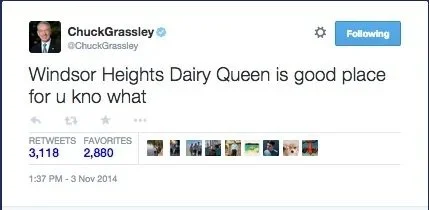
2. To prevent impulsive posts
Candidates are human and will have moments of frustration and impulsivity, often stemming from sheer exhaustion. In the fast-paced world of social media, even well-intentioned messages can be misconstrued or taken out of context. A tweet or post can blow up in seconds, derailing the campaign's carefully planned agenda. A social media team acts as a safety net, ensuring that posts are thought out, planned, and, most importantly, don’t sound batshit insane.
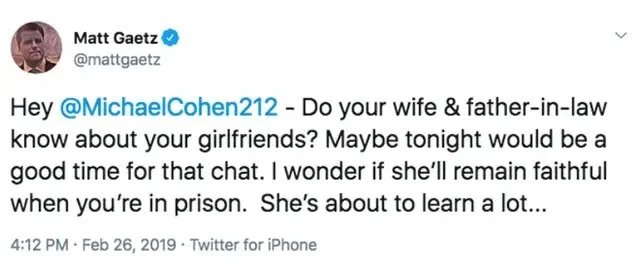
3. To steer clear of hot topics
In the heat of the moment, a candidate might feel the urge to dive into discussions on hot-button issues. Steering clear of those topics is often a smart move (the Palestine/Israel conflict will never be solved on Twitter, ok?). That’s not to say that the issues should be avoided, but that a dedicated social media team can handle them strategically, and guide the candidate away from potential landmines. In the age of cancel culture, a single controversial post can have severe consequences. Limiting a candidate's social media presence reduces the likelihood of such controversies, protecting the campaign from unnecessary damage and allowing it to stay focused on policy discussions and positive messaging.
4. To do more call time
Running for office is a full-time job, and candidates have a packed schedule. Managing social media accounts can be time-consuming and distracting. Handing social media duties to a team lets the candidate focus on shaking hands, kissing babies, and all that good stuff. Also, MORE CALL TIME!
6. To respond strategically to criticism
Social media platforms are breeding grounds for personal attacks and negative campaigning. Criticism is inevitable in politics, but how it's addressed matters. Social media teams are trained to respond strategically to criticism, addressing concerns diplomatically and steering the conversation in a positive direction. This contrasts with potential knee-jerk reactions from candidates in the face of criticism. Allowing a candidate to post directly may lead to the temptation of engaging in mudslinging or responding impulsively to opponents. And while it’s acceptable to feud with an opponent or another elected official, it’s pretty much never okay to do so with a constituent or voter. Don’t let your candidate be tempted to take the bait.
7. To do nerd stuff
Let’s be honest: candidates aren’t usually the most data-savvy people on the team. Social media success isn't just about posting—it's about understanding what works and what doesn't. A social media team can leverage analytics and insights to refine the campaign's digital strategy, ensuring that every post contributes to the campaign's overall objectives.
8. To avoid posting dick pics
Uh, yeah. Enough said.
TLDR:
While the candidate's voice is essential, strategically limiting their direct involvement in social media can be a wise decision. By entrusting social media responsibilities to a dedicated team, campaigns can ensure message consistency, avoid pitfalls, and present a polished and professional image to the public (and donors!).
In the world of political campaigning, every move counts. Let your candidate focus on what they do best (CALL TIME), and let the social media experts handle the digital front lines.
EXTRA TLDR:
FOR THE LOVE OF GOD, TAKE AWAY ALL THEIR DEVICES
